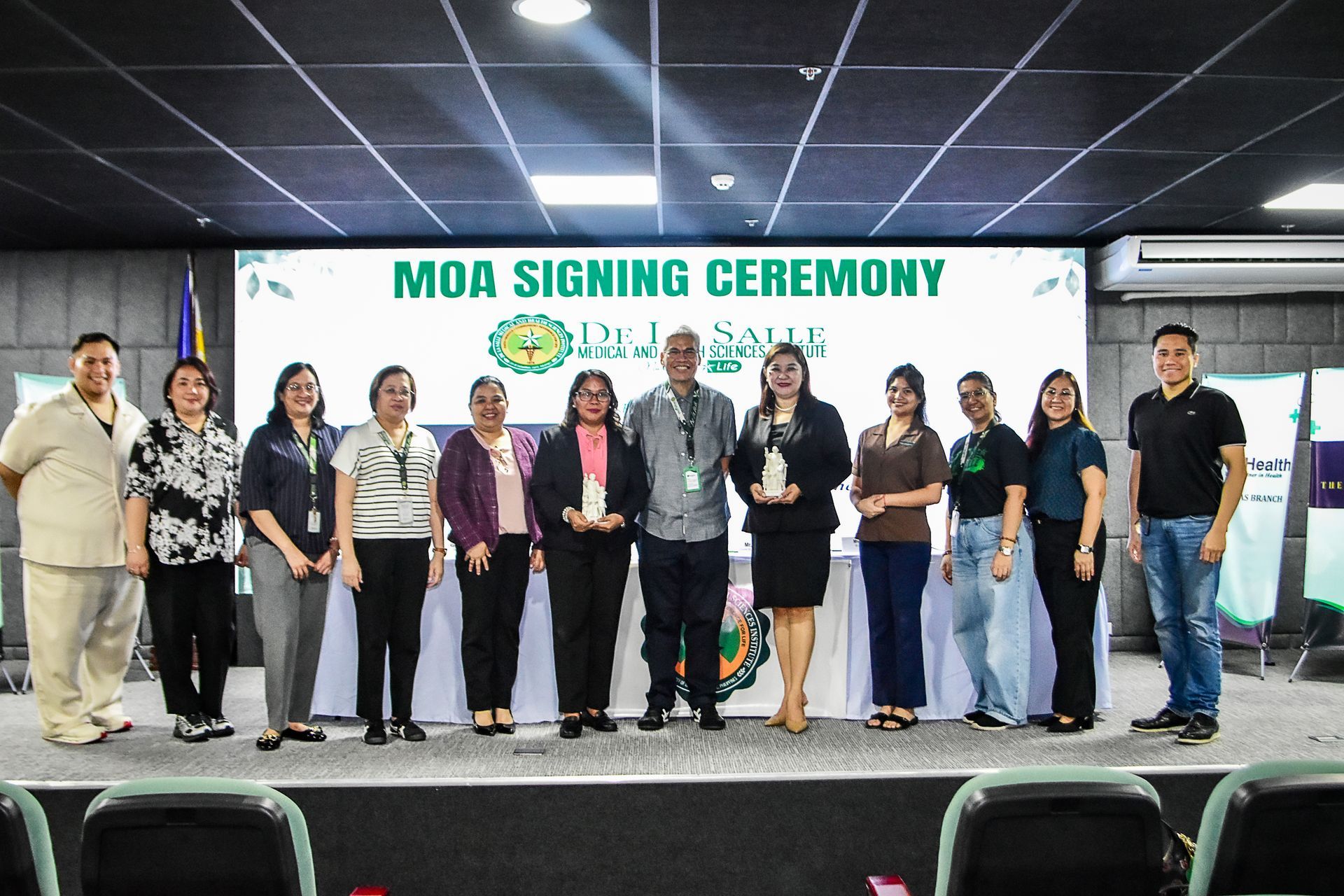
The Alumni Center for Engagement and Services (ACES) marked another milestone in its Alumni Perks Program through the signing of a Memorandum of Agreement with The Lake Hotel Tagaytay on August 14, 2026, at the Dr. Romeo P. Ariniego Library Auditorium. This partnership grants exclusive privileges to DLSMHSI alumni, including discounted room rates, long-stay deals, complimentary breakfast, dining discounts, and flexible check-in and check-out arrangements. In recognition of the wider DLSMHSI community, these perks are also extended to employees. With support from Academics Partnerships and External Relations (APER), the initiative was successfully organized. The event also included the renewal of the Memorandum of Understanding between DLSMHSI and the Philippine Health Insurance Corporation (PhilHealth) Dasmariñas. Through this partnership, PhilHealth provides assistance in registration and enrollment, record updating, issuance of Member Data Records and IDs, and assignment to YAKAP facilities. This assistance is carried out as agreed by both parties, ensuring that graduating students and alumni who are Filipino citizens receive convenient access to essential healthcare support as they transition into professional life. To date, the Alumni Perks Program has already partnered with Angel’s Pizza Dasmariñas, So, It Goes Café, and Sarabia Optical. With the addition of The Lake Hotel Tagaytay, alumni can now enjoy even more exclusive privileges. Notably, perks at Angel’s Pizza Dasmariñas and The Lake Hotel are also extended to employees, underscoring ACES’ commitment to supporting the wider DLSMHSI community. Together, these partnerships highlight the institution’s mission to nurture lives and create meaningful opportunities for alumni, employees, and the broader community, while strengthening an expanding network of benefits, with even more exciting partnerships ahead. For full details and updates, visit https://simplebooklet.com/alumniperks.
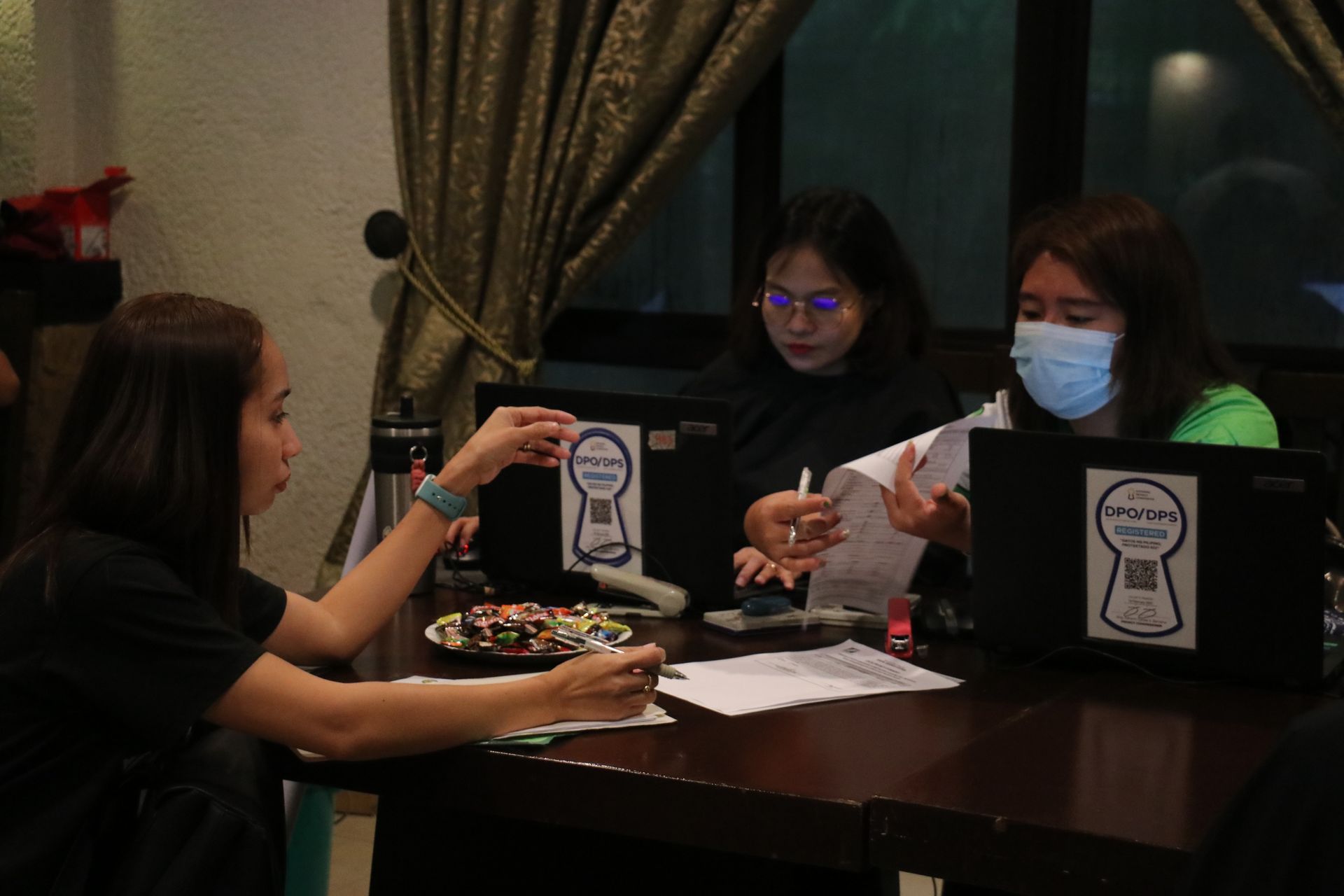
On July 29, 2026, the DLSMHSI Pavilion Meeting Room became a hub of convenience and care as the Alumni Center for Engagement and Services (ACES) organized a one-stop event titled "We Care, We Serve: Bringing Government Services to Our Community." Pag-IBIG Fund, PhilHealth, and the Social Security System (SSS) came together to provide alumni, employees, and community members with easy access to essential services—all in one place. The initiative went beyond streamlining transactions. It strengthened alumni ties, supported employee welfare, and advanced institutional development, ensuring that government programs were not only accessible but meaningfully integrated into daily life. The success of the event reflected the dedication of the ACES team and the active collaboration of partner agencies. Together, they created a milestone that highlighted the power of service and community. By bringing vital services directly to the people, ACES reaffirmed its mission of care, engagement, and connection—values that continue to guide the Institution in nurturing lives.
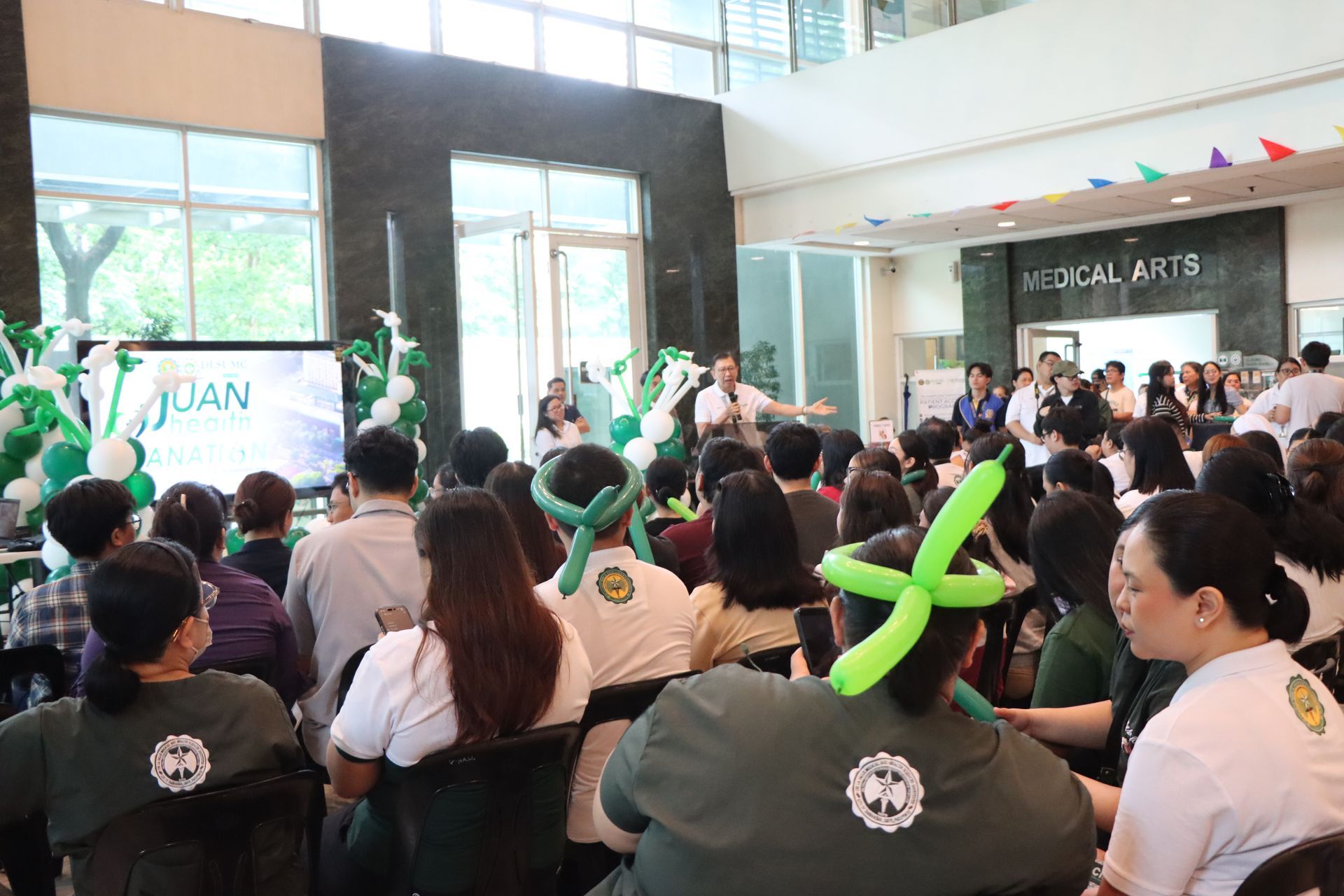
Every year, hospitals across the Philippines come together to celebrate National Hospital Week—a time to recognize not only the work of healthcare professionals, but also the people at the heart of every hospital: the patients, their families, and the communities we serve. This year, De La Salle University Medical Center (DLSUMC) joined the celebration with the theme: Juan Health for Juan Nation: Makabagong Teknolohiya sa Ospital na Mapagkalinga. From August 12 to 14, DLSUMC turned National Hospital Week into three days of meaningful activities centered on care, wellness, generosity, and community. The celebration opened with a lively parade led by the DLSMHSI Marching Band, followed by an opening ceremony at the Medical Arts Center, formally opened by Vice Chancellor for Hospital Operations, Dr. Conrado P. Crisostomo. The event also featured the unveiling of a DLSUMC audiovisual presentation highlighting the DLSUMC’s commitment to accessible, compassionate, and people-centered healthcare through its preventive care, diagnostics, specialized treatment, and wellness services. The first day also featured the Ukay-Ukay for a Cause, where donated clothes, shoes, bags, toys, and other items were sold at affordable prices, with proceeds supporting the DLSUMC Charity Fund. Patients, relatives, and members of the institutional community also enjoyed free manicure and pedicure services, massage chairs, taho, ice cream, and a photobooth. Day two focused on wellness through a Live Cooking Show led by Ms. Vilma Reyes, RND, with Mr. Jack Maurice Camet, RND. The demonstration showed how simple, healthy, and budget-friendly meals can be prepared at home. The day ended with an energetic Zumba session that brought colleagues and community members together through movement and fun. The celebration concluded with recognition of exceptional patient relations. The Patient Relations Awards honored 31 DLSUMC personnel who received commendations through patient feedback for demonstrating outstanding customer relations. DLSUMC also recognized its Top 5 Performing Units: the Physical Medicine and Rehabilitation Unit, Mammography Unit, Combined Blue Dragon Security Services, Inc., Admitting and Information Unit, and Social Service Unit, which ranked No. 1. More than a celebration, National Hospital Week 2026 was a reminder that healthcare goes beyond treatment. Every smile, helping hand, kind gesture, and meaningful interaction contributes to a better patient experience. To everyone who made the three-day celebration possible, thank you for helping DLSUMC continue its commitment to Nurturing Your Health.
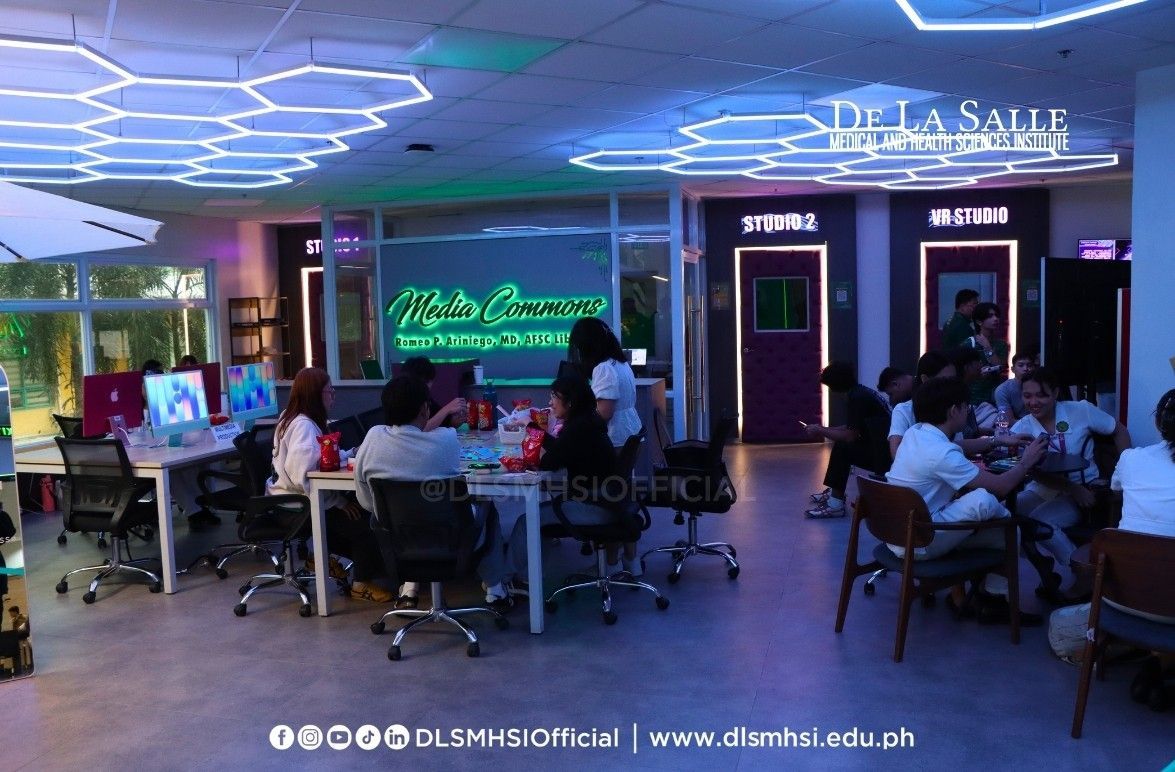
On August 13, 2026, a new era began at the Dr. Ariniego Library with the launch of its Media Commons on the third floor. Designed as a dynamic and innovative space, the Media Commons brings together technology, learning, creativity, and student well-being. In her opening message, Dr. Naomi de Aro, Vice Chancellor for Academics, highlighted how the Media Commons creates opportunities for professors and students to go beyond the traditional classroom by integrating technology into the learning experience. She also emphasized its role as a space where students can take a break, recharge, and continue nurturing their potential. Dr. de Aro expressed her appreciation to the team whose hard work and dedication brought the new space to life. Sharing his personal recollection, Mr. Ferdinand Berba, Chancellor and Chief Administrative Officer, recalled how much he enjoyed spending time in the library as a student. For him, the library has always been more than a place for books; it is a space where students can clear their minds, focus on their goals, and be productive. The Media Commons builds on this experience by providing modern tools that support productivity, creativity, and learning. Designed to support both academic and recreational needs, the Media Commons features a range of amenities that encourage students to explore, create, and collaborate. These include an audiovisual studio with a green screen, a VR simulation room, and an audio and video recording studio, perfect for podcasts, video production, and other creative projects. Students can also enjoy board games and PS5 units, providing opportunities to unwind and connect with others. Also launched during the event was the ALMA Integrated Library System, which brings library services closer to students through a convenient online platform. Students can search for library resources, access online materials, reserve library spaces, and register to attend library events by visiting https://library.dlsmhsi.edu.ph/ . Leveraging robust technology, linked data, and AI integration, Dr. Ariniego Library makes innovative services possible for the DLSMHSI community. The system is now fully functional, with the installation of additional technologies such as the Smart Shelf, Self-Check Counter, Book Drop, and Remote Locker System happening soon. Through this new space, the Dr. Ariniego Library advances the Sustainable Development Goals (SDGs), particularly SDG 4: Quality Education, SDG 9: Industry, Innovation, and Infrastructure, SDG 16: Peace, Justice, and Strong Institutions, and SDG 17: Partnerships for the Goals, by promoting innovative learning, technology-driven services, accessible resources, and meaningful collaboration.
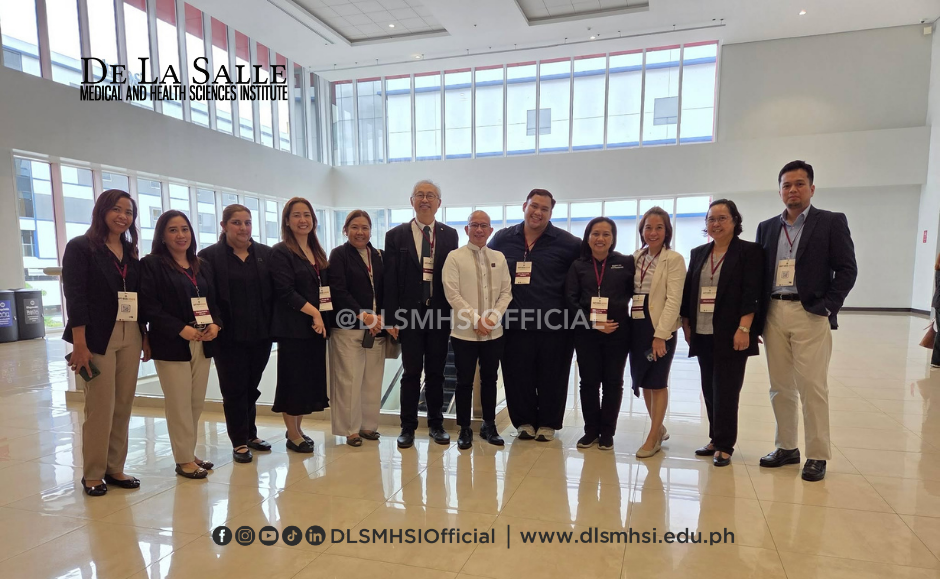
The De La Salle Medical and Health Sciences Institute (DLSMHSI) demonstrated its commitment to internationalization, global partnerships, and academic excellence by participating in the UP KAPIT-BISIG 2026 Training Workshop hosted by the University of the Philippines Office of International Linkages (UP OIL). Representing DLSMHSI were Asst. Prof. John Michael B. Medina, Chair for Academic Partnerships and External Relations, and Ms. Anna Lyn Ferma of Student Life and Engagement- Global Student Engagement Unit, who joined the two-day training held on July 13 - 14, 2026, at the SMX Convention Center Clark, Pampanga. The workshop brought together higher education leaders, International Relations Officers (IROs), student affairs practitioners, and internationalization advocates from universities across the Philippines to strengthen institutional capacities, exchange best practices, and promote collaboration in advancing the internationalization of Philippine higher education. During the Foundational Training Program, the DLSMHSI representatives participated in sessions covering the fundamentals of higher education internationalization, the evolving role of International Relations Officers, intercultural communication and global competence, international partnerships and linkages management, and strategic internationalization planning. The workshop provided practical strategies for expanding institutional partnerships, promoting student and faculty mobility, and developing globally responsive academic programs. Beyond the learning sessions, KAPIT-BISIG 2026 offered valuable networking opportunities that enabled participants to exchange ideas, share institutional experiences, and explore future collaborations with higher education institutions across the country. These engagements further support DLSMHSI’s ongoing efforts to expand its global academic network and create more opportunities for its students, faculty, researchers, and staff. DLSMHSI’s participation also supports the United Nations Sustainable Development Goals (SDGs), particularly SDG 4: Quality Education by promoting inclusive and globally relevant education, and SDG 17: Partnerships for the Goals through strengthened institutional collaboration, knowledge exchange, and international partnerships. As DLSMHSI continues to advance its internationalization agenda, the knowledge gained and professional connections established through UP KAPIT-BISIG 2026 will further strengthen the Institute’s mission of Nurturing Life by developing globally competent healthcare professionals, advancing academic excellence, and building partnerships that create meaningful impact in the Philippines and beyond.
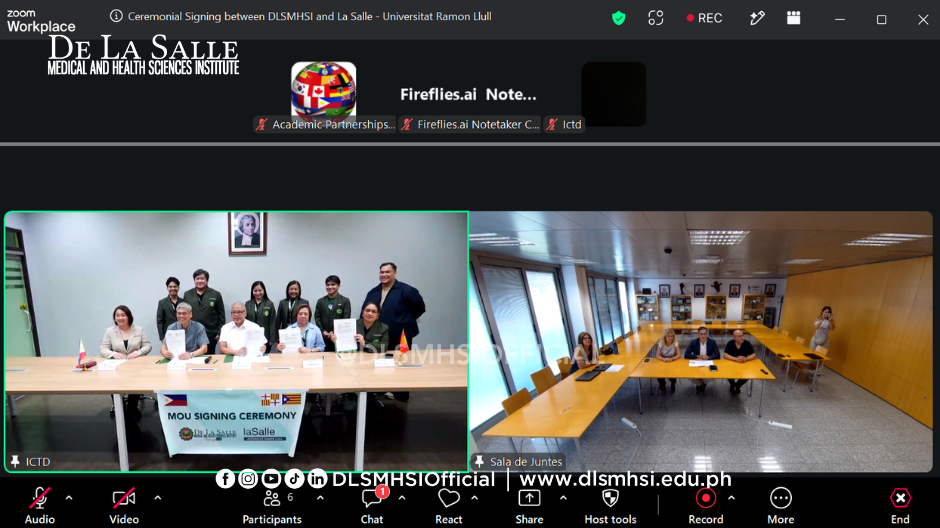
De La Salle Medical and Health Sciences Institute (DLSMHSI) and La Salle – Universitat Ramon Llull (URL) of Barcelona, Spain, officially strengthened their commitment to global academic collaboration through the virtual signing of a Memorandum of Understanding (MOU) on July 24, 2026. The agreement was signed by Dr. Antonio B. Ramos, President of DLSMHSI, and Mr. Josep M. Santos Fernández, President and Legal Representative of La Salle – Universitat Ramon Llull, together with key officials from both institutions. The partnership marks another significant milestone in DLSMHSI’s internationalization efforts, bringing together two Lasallian institutions united by a shared mission of excellence in education, research, innovation, and service. The MOU establishes a comprehensive framework for cooperation in academic, scientific, technological, and cultural initiatives, including faculty and student exchanges and collaborative research. Collaborative Online International Learning (COIL), dual-degree and customized academic programs, seminars, innovation projects, and future articulation agreements. During the ceremony, Dr. Ramos underscored the transformative impact of international partnerships in preparing healthcare professionals for an increasingly interconnected world, while Mr. Santos Fernández emphasized that the collaboration is grounded in the enduring Lasallian values of faith, service, communion, and excellence. As one of Spain’s leading institutions in engineering, technology, design, entrepreneurship, and innovation, La Salle – Universitat Ramon Llull offers DLSMHSI valuable opportunities to expand its international academic footprint and strengthen interdisciplinary collaboration across Europe and beyond. Closing the ceremony, Dr. Cecilia Licuan, Dean of the College of Rehabilitation Sciences, highlighted the significance of the partnership in creating new pathways for international learning, research, and professional development for DLSMHSI faculty and students. Coordinated by the Department of Academic Partnerships and External Relations, the partnership advances DLSMHSI’s vision of becoming a globally engaged Catholic Lasallian institution while supporting SDG 4 (Quality Education), SDG 9 (Industry, Innovation and Infrastructure), and SDG 17 (Partnerships for the Goals) through strengthened global academic cooperation.
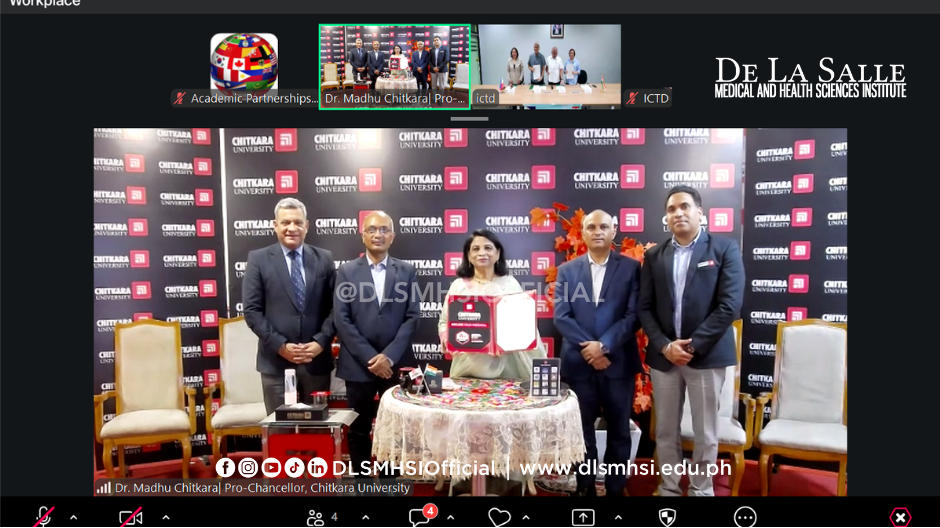
De La Salle Medical and Health Sciences Institute (DLSMHSI) and Chitkara University of India formalized a new international academic partnership through the virtual signing of a Memorandum of Understanding (MOU) on July 24, 2026. Signed by Dr. Antonio B. Ramos, President of DLSMHSI, and Dr. Mandhu Chitkara, President and Co-founder of Chitkara University, the agreement reinforces both institutions’ shared commitment to academic excellence, research, innovation, and global engagement. The virtual ceremony was attended by DLSMHSI officials, including Mr. Ferdinand L. Berba, Chancellor and Chief Administrative Officer; Dr. Naomi M. de Aro, Vice Chancellor for Academics; and Dr. Cheyen Molon, Director of the Academic Partnerships and External Relations Department. They were joined by Chitkara University Representatives led by Col. Dr. Rakesh Sharma, Registrar, along with officials from its academic and internationalization offices. The partnership establishes a framework of collaboration in student and faculty mobility, joint research initiatives, and professional development programs, and other academic activities that promote innovation and international learning. Through these initiatives, DLSMHSI and Chitkara University aim to prepare globally competent healthcare professionals while contributing to the United Nations Sustainable Development Goals (SDGs), particularly SDG 3 (Good Health and Well-being), SDG 4 (Quality Education), SDG 9 (Industry, Innovation, and Infrastructure), and SDG 17 (Partnerships for the Goals). In his message, Dr. Ramos emphasized the value of international partnerships in providing students and faculty with opportunities for global learning, research, and academic exchange. Dr. Madhu Chitkara echoed this vision, highlighting the importance of strengthening academic ties between India and the Philippines through collaboration and the sharing of expertise. Recognized as one of India’s leading private universities, Chitkara University is known for its strengths in health sciences, engineering, management, research, and innovation. The partnership complements DLSMHSI’s continuing efforts to expand its international network and provide meaningful opportunities for students, faculty, and researchers. As DLSMHSI continues to build strategic partnerships worldwide, collaborations such as this one support its mission to nurture globally competent healthcare professionals through excellence in education, research, healthcare, and service.
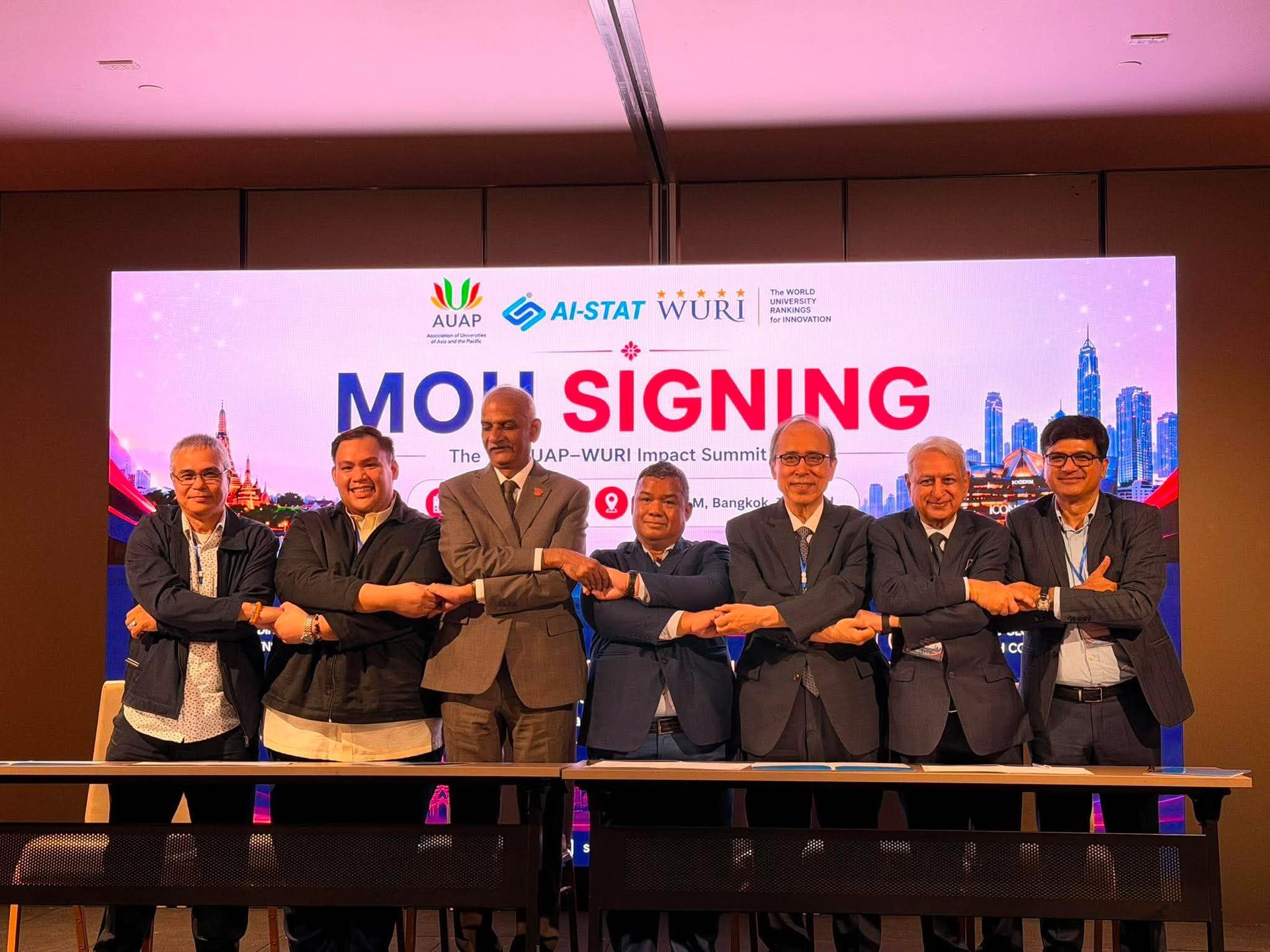
De La Salle Medical and Health Sciences Institute (DLSMHSI) continues to strengthen its global engagement through the participation of Asst. Prof. John Michael Medina, Chair for Academic Partnerships and External Relations and faculty member of the College of Medical Imaging and Therapy, in the 1st AUAP-WURI Impact Summit 2026, held at ICONSIAM, Bangkok, Thailand. Organized by the Association of Universities of Asia and the Pacific (AUAP) in partnership with the World University Rankings for Innovation (WURI) and AI-STAT, the summit gathered university leaders, faculty members, researchers, and innovators from different countries to exchange initiatives that address global and national challenges through higher education. Prior to the summit, Asst. Prof. Medina was invited by the WURI Secretariat to serve as a mentor in one of the summit’s thematic sessions. He facilitated discussions, provided constructive feedback, and supported participating institutions as they presented innovation projects aligned with the United Nations Sustainable Development Goals (SDGs). The program also featured the signing of a Memorandum of Understanding (MOU) among partner institutions and organizations, reaffirming their shared commitment to international collaboration, academic innovation, and partnerships in higher education. At the conclusion of the summit, Asst. Prof. Medina received a Certificate of Mentorship and a Certificate of Participation in recognition of his contributions. The event also marked the launch of the Certified WURI Mentor (CWM) Program, which recognizes mentors who support universities in developing innovation case submissions while upholding ethical and impartial mentoring practices. Participation in international initiatives such as AUAP-WURI Impact Summit 2026 reflects DLSMHSI’s dedication as a Lasallian institution to sharing expertise that strengthens education and ultimately benefits communities through better learning, research, and healthcare outcomes. This initiative also supports SDG 4 (Quality Education) and SDG 17 (Partnerships for the Goals) by promoting educational excellence and international collaboration.

De La Salle Medical and Health Sciences Institute (DLSMHSI) continues to advance its global engagement through the Taiwan Learning Visit and Academic Services Benchmarking 2026, held from July 7 to 9, 2026. The three-day visit brought together a 22-member delegation to explore innovative practices at leading health sciences universities in Taiwan and identify opportunities for future collaboration. Led by DLSMHSI Chancellor Ferdinand L. Berba together with Vice Chancellor for Academics Dr. Naomi de Aro and Vice Chancellor for Lasallian Mission and Development Br. Aikee Esmeli FSC, the delegation, composed of academic leaders and directors from colleges and key support units, gained insights into educational technology, curriculum development, research, simulation-based learning, quality assurance, and student services. Organized by the Academic Partnerships and External Relations Department, the initiative reflects DLSMHSI’s commitment to strengthening academic excellence through global partnerships and adapting practices that enhance the student learning experience.
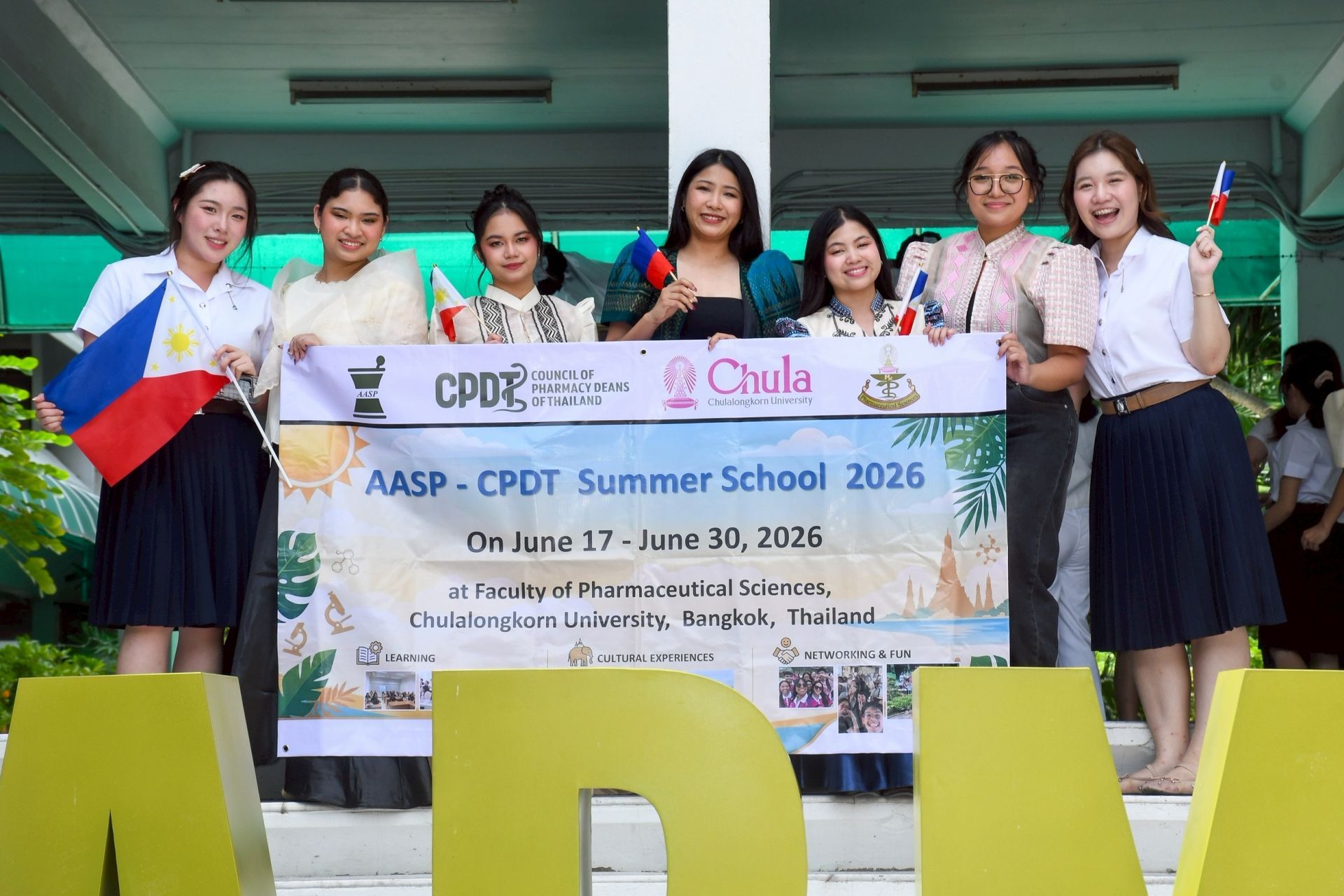
Image courtesy of Faculty of Pharmaceutical Sciences, CU